
Despite early hopes that infectious diseases had been vanquished with the advent of antibiotics and other pharmaceuticals, we have seen in recent years an acceleration of emerging and re-emerging infectious diseases worldwide, whether parasitic, bacterial or viral, many of which are zoonotic, with reservoirs in animal populations. Better understanding and control of these diseases requires robust epidemiologic investigations, including human and animal testing, prevalence mapping and surveillance.
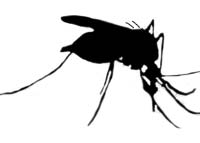
Mosquito capture and identification surveys are being conducted in Costa Rica’s northern mountains with particular attention to Aedes sp., confirmed vectors of dengue, chikungunya and zika viruses. Vector species are well-documented along the low-lying Costa Rican coastal regions. The objective is to establish baseline data for mosquito demographics in higher altitude regions in the context of climate change. The concern is that with warming, vector mosquitos can spread to higher altitudes, carrying viruses with them.

Wild birds and domestic poultry are being tested, using cloacal and laryngo-tracheal swabs for the presence of Avian influenza virus. The concern is transboundary import of the virus by wild migrating birds, posing a threat to domestic poultry operations in Costa Rica. Samples are submitted to the Costa Rican government (SENASA) for PCR analysis.
Global health
is dependent on the
DISCOVERY
of rapidly spreading
INFECTIOUS DISEASES
and minimizing or eliminating
their transmission.
Chagas' Disease is a neglected tropical zoonotic disease caused by Trypanosoma cruzi, a protozoan parasite vectored by a triatomine bug, with sylvatic, peri-domestic and domestic reservoirs. Also referred to as American Sleeping Sickness, this disease appears to be spreading into several temperate regions through movement of human hosts. IGHHP is investigating the presence of this parasite in Costa Rica in the insect vector, as well as in possible reservoirs such as opossums and dogs.
In the past 2-3 years, cases of cutaneous leishmaniasis, caused by the intracellular protozoan parasite Leishmania spp., have been increasing in humans in some regions of rural Costa Rica. IGHHP will be conducting epidemiologic investigations on the occurrence of this parasite in human populations and dogs in the region of the Texas A&M Soltis Center. Studies include trapping protocols to determine the prevalence of the sandfly vector.

The Institute for Global Health and Health Policy
Animal, Human and Environmental One Health Initiatives


IGHHP
IGHHP Overview
About IGHHP
Externships
Programs
Biodiversity Studies
Emerging Diseases
Outreach
Resources
CONTACT
Email: admin@ighhp.org
IGHHP SPONSORED EXTERNSHIPS
CONSERVET-One Health Conservation Medicine
MARVET-Marine Animal Medicine
The Institute for Global Health and Health Policy
Ongoing Zoonotic Disease Studies
Studying Emerging and Re-emerging Infectious Diseases
© IGHHP
The Institute for Global Health and Health Policy,
is a 501(c)(3) non-profit organization.
Website by Brazos Web Design